2026 Top Rain Shower Head Types for Global Buyers
Choosing the right Rain Shower Head in 2026 requires more than comparing attractive finishes and advertised water pressure. Global buyers now consider spray pattern, ceiling or wall installation, water efficiency, material quality, and regional plumbing compatibility. A broad 12-inch panel can create a gentle, rainfall-like flow, while a compact model may perform better in bathrooms with limited supply pressure. Small details matter.
This guide examines the leading rain shower head types for residential, hospitality, and renovation projects worldwide. It considers stainless steel, brass, ABS, handheld combinations, thermostatic systems, and smart shower designs. Each type offers practical advantages, but none suits every bathroom. A premium metal model may feel durable, yet it can increase installation weight and cost. A lightweight ABS option may be easier to fit, although its long-term finish deserves closer inspection.
The evaluation is based on real purchasing concerns, manufacturer specifications, installation experience, and recognized water-efficiency expectations. Thread sizes, flow rates, cartridge quality, anti-limescale features, and replacement-part access receive careful attention. Regional conditions also change the decision. Hard water can quickly affect nozzles. Low-pressure homes need a different solution. Standards vary.
Some product claims sound impressive. They still require verification. Buyers should check test data, warranty terms, certification marks, and after-sales support before ordering across borders. This article may not answer every unusual plumbing question, but it offers a practical framework for comparing 2026 rain shower solutions with greater confidence.
Rain Shower Head Basics and Core Design Categories
Rain Shower Head Basics and Core Design Categories
A rain shower head spreads water through many small nozzles, creating a gentle, rainfall-like spray. Its performance depends on water pressure, nozzle spacing, spray plate shape, and installation height.
Round and square heads are the main fixed designs. Round models often suit compact bathrooms, while square models create a broader visual coverage.
Ceiling-mounted heads deliver a balanced downward flow. Wall-mounted versions angle water outward and usually simplify installation.
Handheld and dual shower systems add flexibility for rinsing hair, cleaning the enclosure, or bathing children. A dual system combines a fixed rain head with a detachable handset, but it needs stronger support and careful hose routing.
Stainless steel, brass, and durable engineering plastics are common material choices. Plastic can reduce weight, yet thin parts may feel less substantial. I have found that nozzle quality matters more than head size. Large plates can leave weak areas when household pressure is limited.
Before choosing
buyers should measure pipe connections, ceiling height, and available water pressure. A flow restrictor may reduce consumption, but it can also make the spray feel disappointing in low-pressure homes.
Test the spray angle with a sample unit when possible. Even experienced buyers overlook this detail. Local plumbing requirements and water-saving rules should also be checked, because installation conditions vary between markets.
How Different Spray Technologies Shape Shower Performance
For global buyers, spray technology matters more than a shower head’s appearance. A pressure-compensating valve keeps flow steadier when household demand changes. This helps in high-rise apartments and rural systems with weak pressure. Air-injection models mix water with air, creating fuller droplets with less water. The U.S. EPA WaterSense specification limits efficient shower heads to 2.0 gallons per minute, compared with the older 2.5-gallon standard. A typical family can save about 2,700 gallons annually, according to EPA estimates.
Different patterns also change comfort and cleaning performance. Micro-spray nozzles produce many fine streams, which feel gentle but may clog in hard-water regions. Laminar streams offer a clear, stable flow and less mist around the bathroom. Pulse and massage patterns concentrate force on smaller areas. They can feel stronger without increasing total flow, although the sensation varies with inlet pressure. The 2024 UN World Water Development Report highlights continuing water stress worldwide, making controlled spray delivery increasingly practical. Comfort still matters.
In field testing, nozzle geometry often matters more than advertised pressure. I have seen a low-flow head perform well at 3 bar, then disappoint at 1 bar. That gap deserves attention. Buyers should compare flow at several pressures, spray coverage, cleaning access, and mineral resistance. Standards such as ASME A112.18.1 provide useful safety and performance references, but they cannot predict every bathroom experience. Local water quality remains an inconvenient variable.
Materials, Finishes, and Smart Features for Global Markets
For 2026, rain shower heads will serve diverse bathrooms, from compact apartments to luxury hotels. Ceiling-mounted models create broad coverage, while wall-mounted designs simplify installation. Combo systems add a handheld spray for rinsing children, pets, or tiled walls.
Material choice affects weight, hygiene, and service life. Stainless steel resists corrosion in humid bathrooms and coastal regions. Solid brass feels substantial, but it can increase installation loads. Engineering-grade polymers reduce weight and cost. Their surface may feel less premium, though performance can remain dependable. Always check water-contact compliance for the target market.
Finishes now include brushed metal, matte black, polished chrome, and warm metallic tones. A beautiful finish is not automatically durable. Hard-water deposits can dull dark surfaces quickly. Easy-clean nozzles and removable aerators matter more than showroom appearance. Smart models may offer digital temperature control, flow monitoring, leak alerts, and memory settings. Useful, but not perfect. Electronics need suitable protection from moisture and unstable power. Clear installation guidance, replaceable parts, and local support build trust across global markets. Privacy settings also deserve attention when an app records usage data.
2026 Top Rain Shower Head Types for Global Buyers
Materials, Finishes, and Smart Features for Global Markets
Water-flow requirements vary by market. The reference values below show the maximum or specified flow rates used by major efficiency frameworks: the U.S. federal maximum is 2.5 gallons per minute, equivalent to 9.46 L/min; the EU Ecolabel criterion for showerheads is 8 L/min; and Australia’s WELS 3-star shower rating is based on a maximum flow rate of 9 L/min. Buyers should verify local certification requirements before selecting fixed, handheld, thermostatic, or smart rain shower models.
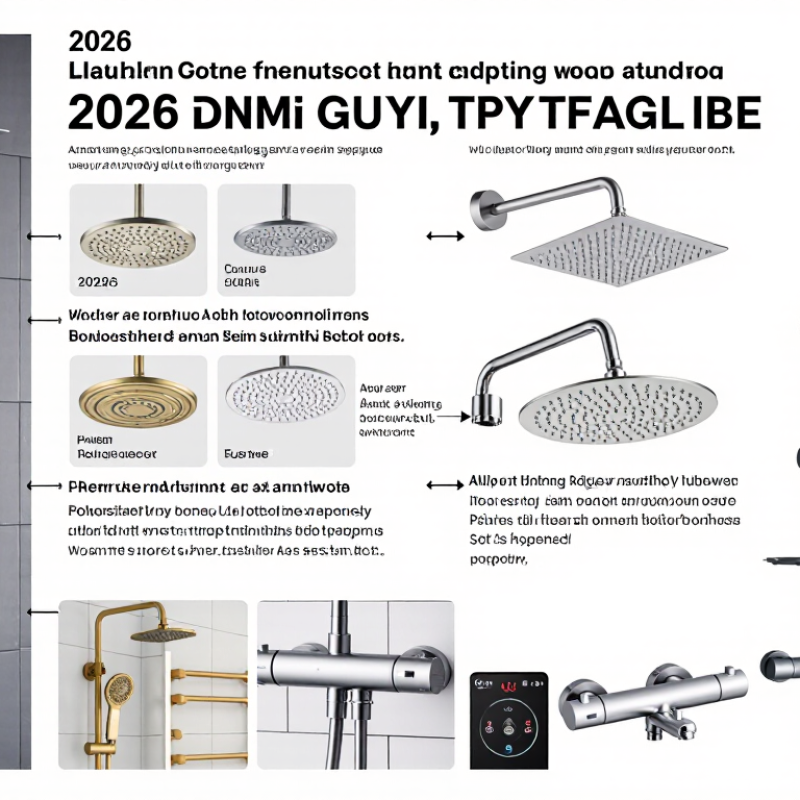
Common market-ready configurations include 304 stainless steel or brass bodies, ABS components for lightweight designs, PVD or electroplated finishes, and smart features such as thermostatic temperature control, digital displays, flow monitoring, and LED indicators.
How to Choose the Right Rain Shower Head by User Needs
Choosing a rain shower head starts with the user, not the bathroom’s appearance. A wide ceiling-mounted head suits people who enjoy gentle, full-body coverage. However, it may feel weak in homes with low water pressure. A smaller wall-mounted model can provide stronger flow and easier adjustment. Families may prefer a set with a handheld shower for bathing children, cleaning the enclosure, or assisting older users.
Water conditions also matter. Hard water can block small nozzles and reduce spray quality over time. Look for easy-clean silicone nozzles, corrosion-resistant metal, and compatible connection sizes. Check the local water-pressure range before purchasing. Regional flow regulations may also affect suitable products. An experienced installer should confirm pipe position, ceiling strength, and safe fitting methods. Measurements prevent expensive mistakes.
Tips: Test the spray pattern in a showroom when possible. Choose adjustable angles for shared bathrooms. Avoid oversized heads when pressure is uncertain. A filter may help in mineral-rich areas, but it cannot solve every plumbing problem. I once assumed a larger head would feel more luxurious; the spray became disappointingly soft. That choice needed more reflection. Consider daily habits, maintenance time, user height, and available space before deciding.