Why Choose a Shower Head Combo for Your Bathroom?
page_banner

Why Choose a Shower Head Combo for Your Bathroom?

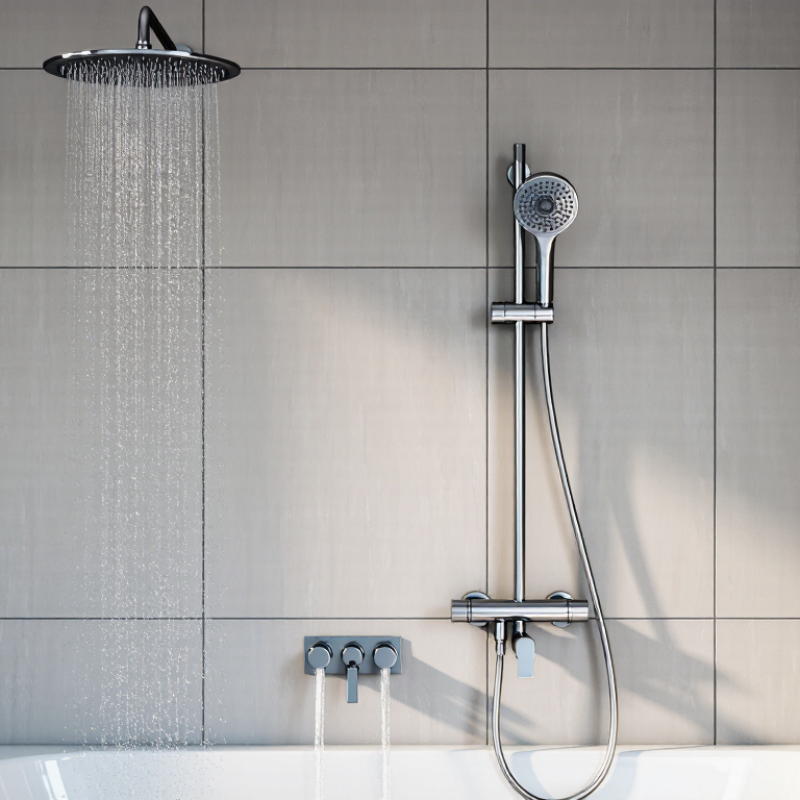
A Shower Head Combo can make an ordinary bathroom feel more flexible without changing its footprint. It pairs an overhead shower with a handheld sprayer, letting you rinse shampoo, wash a child, or clean the tub more easily. The difference is tangible: one spray falls across your shoulders, while the handheld stream reaches the corners you usually miss. Small choice. Daily impact.

Renovation expert Mike Holmes’s familiar motto, “Make It Right,” is a useful standard for choosing and installing one. A combo should suit your water pressure, plumbing connections, and preferred spray controls—not just look polished in a product photo. Check whether both heads can operate together, how the diverter feels, and whether the hose reaches the tub floor. Those details matter on a rushed morning. They matter during cleaning, too.

A well-chosen unit can add convenience, but it is not automatically an upgrade for every bathroom. Some models have bulky controls; others may feel weak when both outlets run at once. That is worth admitting. Measure the shower space, compare manufacturer specifications, and confirm installation requirements before buying. If your plumbing is unusual, ask a qualified professional to assess compatibility. The best Shower Head Combo is not necessarily the one with the most settings. It is the one that works reliably in your actual bathroom.
Why Choose a Shower Head Combo for Your Bathroom?

What a Shower Head Combo Includes: Fixed Head, Hand Shower, and Diverter

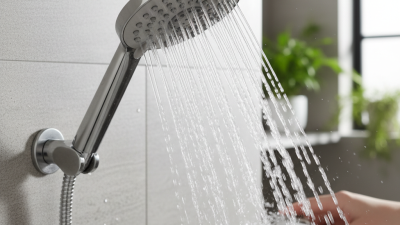
A shower head combo pairs a fixed shower head with a handheld shower and a diverter. The fixed head stays in place, often above shoulder height, and provides a steady spray for everyday washing. The handheld unit connects by a flexible hose, so you can rinse shampoo, wash a child’s hair, or clean the tub without awkward twisting. Small details matter.

The diverter controls which outlet receives water. Depending on the design, it may be a lever on the shower arm, a knob on the control valve, or a switch built into the fixture. Some systems let both heads run together, while others send water to one at a time. Check the product’s operating instructions; the controls are not always intuitive at first. Water pressure can also feel weaker when both outlets run, especially in homes with limited flow.

Before choosing a set, check the wall connection, hose reach, and available clearance. A hose that looks long on paper may still fall short around a deep tub. Also consider where the handheld holder sits: it should be reachable without stretching, but not placed where the hose catches on a shelf. Installation needs vary, so confirm compatibility with existing plumbing or ask a qualified plumber when the connections are unclear.

How Dual Spray Options Improve Rinsing, Cleaning, and Everyday Flexibility

Why Choose a Shower Head Combo for Your Bathroom?

A shower head combo gives you two spray choices for different tasks. Use the fixed head for a steady rinse, then switch to the handheld spray to wash shampoo from thick hair or rinse soap from a child’s feet. That focused stream can also help clean corners and rinse the tub. The benefit is flexibility, not necessarily stronger water pressure. Spray patterns and controls vary, so check how easily the selector moves before buying.

Water use matters, too. The U.S. Environmental Protection Agency’s WaterSense program reports that replacing a standard 2.5-gallon-per-minute showerhead with a certified model can save an average family 2,700 gallons of water annually. A combo does not guarantee those savings; look for a WaterSense label and check the flow rate. A small caveat: using both outlets together may change the feel of the spray, depending on the design.

Tips: Try each spray setting before installation if possible. Keep the handheld hose long enough to reach the tub corners, but not so long that it tangles. Think about who uses the shower most. A setting that feels gentle to one person may feel weak to another. That part is easy to overlook.

Why Choose a Shower Head Combo for Your Bathroom? - How Dual Spray Options Improve Rinsing, Cleaning, and Everyday Flexibility
Comparison Dimension Fixed Shower Head Handheld Shower Head Shower Head Combo
Spray options Spray comes from a wall- or ceiling-mounted head; available patterns depend on the model. A detachable wand directs water where needed; some models offer multiple spray settings. Combines a fixed head and a handheld wand, often with a selector for using either or both, depending on the model.
Rinsing hair and body Provides a hands-free overhead rinse while standing beneath the spray. Can be aimed at specific areas, which may help rinse shampoo or soap more directly. Offers an overhead rinse or a directed handheld rinse, giving more choice during a shower.
Cleaning the shower Works for general rinsing, but the spray direction is usually fixed. The movable spray can reach parts of the shower enclosure, tub, and lower walls more easily. Pairs the fixed spray with a detachable option for targeted rinsing of the shower area.
Everyday flexibility A straightforward choice for users who prefer a consistent, hands-free spray. Useful when water needs to be directed, including for seated bathing or assisting another person. Adapts to different routines by providing fixed and handheld spray choices in one setup.
Installation considerations Typically attaches at the shower arm; check the product instructions and connection size. Needs a suitable mount and hose connection; confirm hose reach and mounting position. May use a diverter or integrated selector. Check compatibility, clearance, and installation requirements before buying.
Water-use check Flow rate varies by model and local requirements; check the listed gallons per minute (GPM). Flow rate varies by model; a handheld design does not automatically use less water. Check the product’s rated flow and how it operates when both sprays are selected; ratings and local limits vary.
Best suited for A simple shower setup with a steady, overhead spray. Targeted rinsing, shower cleaning, and situations where a movable spray is helpful. Households that want both a hands-free overhead spray and a handheld option.

EPA WaterSense Benchmark: Certified Showerheads Use No More Than 2.0 gpm

A showerhead combo can make daily routines more flexible: use the fixed head for a steady rinse, then switch to the handheld sprayer to wash children, pets, or the tub. Water use deserves equal attention. EPA WaterSense-labeled showerheads are certified to use no more than 2.0 gallons per minute (gpm), while meeting performance requirements.

Check the exact combo model before buying. A 2.0 gpm rating may describe one operating mode, not necessarily both outlets running together. Look for the WaterSense label and read the specifications for each setting, including simultaneous use. Details matter. If the listing is unclear, ask the seller or manufacturer how the flow rate is measured. A lower flow rate can conserve water, but the spray should still feel comfortable for your household.

At home, a simple bucket test can give a rough sense of flow: collect water for one minute and measure the amount. It is not a substitute for certification, and settings can change the result. Also consider how you actually shower. A strong, focused handheld spray may feel more useful than two heads running at once. I might still choose the combo for convenience, though switching modes takes a little getting used to.

Why Choose a Shower Head Combo for Your Bathroom?

WaterSense Benchmark: Certified Showerheads Use No More Than 2.0 gpm

WaterSense-labeled showerheads are limited to 2.0 gallons per minute (gpm), compared with the 2.5 gpm federal maximum shown here. A combo’s actual flow depends on its design and selected operating mode, so check the product’s specifications and WaterSense certification.

Water Savings Context: 2.0 gpm Is 20% Below the 2.5 gpm Federal Limit

A shower head combo can pair an overhead spray with a handheld option for rinsing or cleaning the tub. Flow rate matters, too. In the United States, 2.5 gallons per minute (gpm) is the federal maximum commonly used for showerheads. A 2.0-gpm model is 20% below that rate. The difference is measurable, but it does not guarantee a 20% reduction in your water bill. Shower length, household habits, and hot-water use all affect actual savings. Still, a lower flow can feel less satisfying if pressure or spray coverage is poor.

Tips: Check the flow rating on the package, and see whether it applies to one spray setting or the whole combo. Try each outlet separately. A bucket-and-timer test can help you estimate real flow at home, though pressure may change the result.

A combo is most efficient when you use the outlet you need rather than running both at once. Some designs allow simultaneous sprays, which may raise total flow; check the product specifications before buying. Stand under the spray and notice whether it reaches your shoulders and rinses shampoo from your hair. That small test matters. A lower number looks good on paper, but comfort still counts.

How to Choose: Check Water Pressure, Plumbing Fit, Controls, and Certification

Before choosing a shower head combo, check both water pressure and flow. A pressure gauge can reveal low supply pressure, while a one-minute bucket test shows how much water reaches the shower. Test the setup with both outlets running, if possible; a diverter may split the available flow. A strong spray on one setting can become disappointing when both heads are on. Small details matter.

Measure the shower arm and inspect its threads before buying. Check that the hose can reach the holder without bending sharply, and confirm the diverter works with your existing plumbing. Controls should be easy to reach with wet hands. If several people use the shower, clear temperature markings matter; an anti-scald control can help limit sudden temperature changes. I would still recheck the measurements. Small mismatches are easy to overlook.

Certification is worth checking, not guessing. The U.S. EPA WaterSense program reports that certified showerheads use no more than 2.0 gallons per minute, compared with the federal standard of 2.5. EPA estimates that a typical family can save about 2,700 gallons of water annually by replacing standard showerheads with WaterSense-labeled models. Check the certification for the showerhead itself, since a combo’s extra features may not be covered by the label. A lower flow rating alone does not guarantee a satisfying spray.